Market & Economy · Newsroom
Analysts warn US petroleum reserve drawdowns leave economy exposed
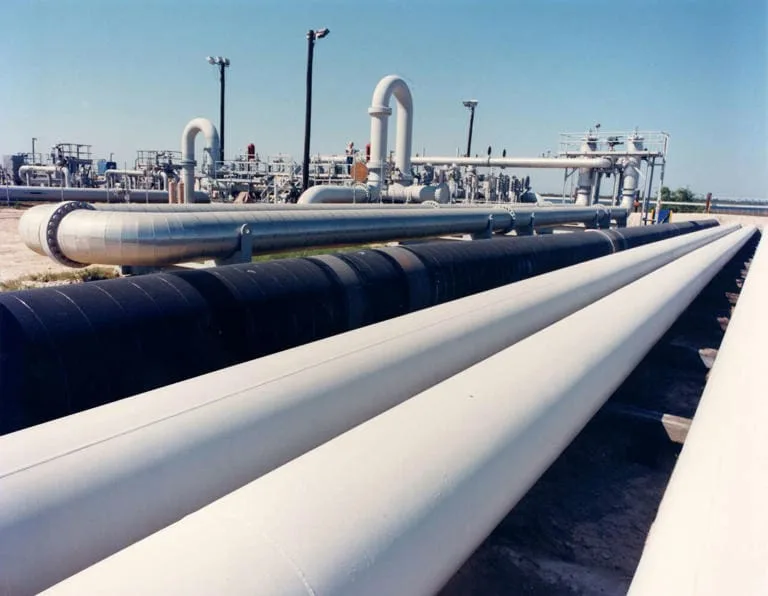
The United States Strategic Petroleum Reserve, the country’s emergency stockpile of crude oil, is now below half of its authorized capacity and continues to be drawn down to help offset supply disruptions tied to the ongoing conflict in the Middle East. Market analysts are growing increasingly concerned that this approach, while offering short-term relief at the pump, is creating a far more serious problem down the road.
The reserve was designed to serve as a last-resort buffer against catastrophic supply shocks, not as a routine tool for managing everyday price fluctuations. As international stockpiles are also being tapped in coordination with U.S. drawdowns, the collective cushion that the world has relied on in past energy crises is shrinking fast.
The urgency is compounded by the continued closure of the Strait of Hormuz, a critical chokepoint for global oil shipments. With no clear timeline for reopening, the fundamental math of supply and demand is becoming harder to dismiss. Energy prices have so far been kept in check in part because of reserve releases, but analysts warn that the window is closing. If the strait remains blocked and reserves continue to drain, prices could move sharply higher and lead to consequences that extend well beyond the gas station.
The Cardiff Connection
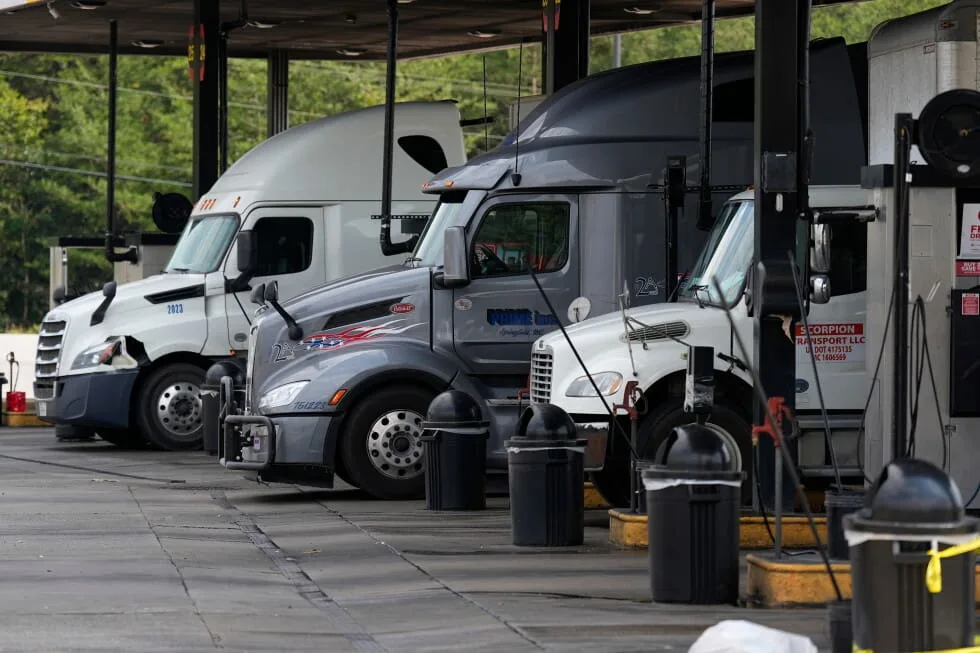
Cardiff’s Founder, William Stern, has been direct about what this trajectory means for small businesses. His concern is not just about oil prices in the abstract. It is about what happens inside a business when diesel prices surge and freight costs follow. Cardiff sees the real operating data from small businesses across the country, giving it a ground-level view of how quickly rising logistics costs can erode already thin margins.
Stern has warned that drawing down the reserve is not a solution to inflation; it is a delay tactic that sets up a much harder hit later. For Cardiff’s clients, that means preparing now rather than waiting for conditions to worsen. Having access to the capital needed will help absorb cost shocks and keep operations running when the broader economy feels the strain.
Press & media
Writing about this story? Reach the Cardiff team at media@cardiff.co.
Questions
Call 888-234-0166 or browse the FAQs.