Amazon’s Prime Day delivered strong results across the board this year, with total U.S. e-commerce spending during the four-day event reaching $26.4 billion, a 9.3% increase over the same event in 2025. But the story behind the numbers is as revealing as the totals themselves.
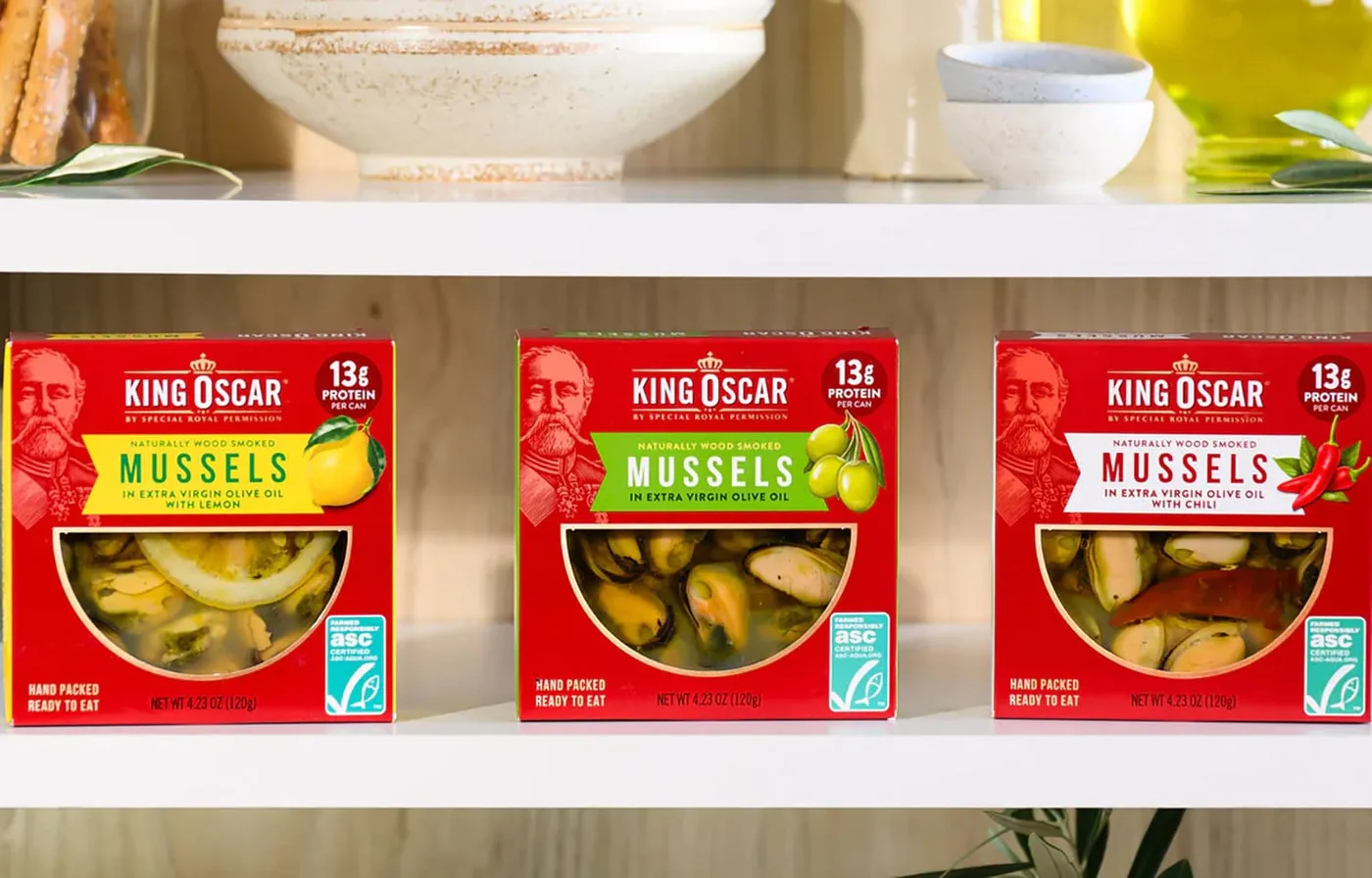
Consumer behavior during the event shifted noticeably away from big-ticket discretionary purchases and toward everyday essentials, a trend confirmed by independent consumer research. Groceries were among the categories that benefited, with seafood brands including King Oscar using the event to boost visibility and move product.
King Oscar reported that its 2026 Prime Day sales rivaled last year’s despite a smaller promotional assortment, calling it a strong outcome given the circumstances.
While Prime Day created a temporary lift, online channels account for just 8.2% of total seafood sales overall. It’s just a fraction of what other grocery categories like health products and coffee achieve digitally. Many shoppers still prefer to choose fresh seafood in person, and concerns about freshness and quality remain barriers to online purchasing.
Still, the growth potential is significant. Online grocery sales overall are projected to climb from $325 billion in 2025 to $452 billion by 2028, making digital engagement an increasingly important piece of the retail strategy for seafood brands.
The Cardiff Connection
Founder of Cardiff, William Stern, framed the Prime Day spending surge in terms that go beyond retail statistics. His observation that American families are using sales events to afford basic necessities, not to treat themselves, describes a consumer environment defined by financial pressure rather than confidence.
For the small businesses and food brands Cardiff finances, that distinction shapes everything from inventory planning to pricing strategy. When consumers are hunting for the lowest price on essentials, businesses need the financial flexibility to compete on value without sacrificing stability. Cardiff provides the working capital that allows those operators to stay nimble and meet demand even when margins are tight, and consumer budgets leave little room for error.