Market & Economy · Newsroom
Markets News, April 15, 2026: S&P 500, Nasdaq Close at Records as Investors Downplay Iran War; Dow Slips
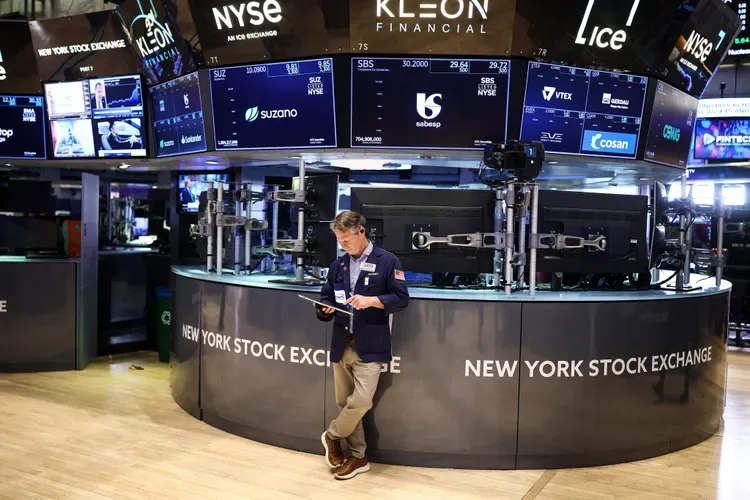
U.S. equity markets reached new milestones in mid-April as investors continued to push stocks higher despite ongoing geopolitical tension tied to the Iran conflict. Both the S&P 500 and the Nasdaq Composite set new intraday and closing records, reflecting strong market momentum even as uncertainty persists in global energy and political conditions. Technology stocks led much of the advance, with several major companies posting gains and helping extend a sustained rally. At the same time, the Dow Jones Industrial Average showed more modest movement, signaling a more mixed performance across sectors.
This market strength comes at a time when traditional indicators might suggest caution. Oil prices have fluctuated amid disruptions in the Strait of Hormuz, and interest rates remain elevated amid rising Treasury yields. Despite these pressures, investors appear to be looking past short-term volatility. The continued rise in stock prices suggests confidence that the broader economy, and especially consumers, can absorb higher costs without significant disruption. Meanwhile, other asset classes, including Bitcoin and gold, have shown more varied performance.
The Cardiff Connection
What changed was not the market itself, but the level of uncertainty, as emphasized by Cardiff CEO Dean Lyulkin. He noted that the underlying fundamentals have not materially shifted. Instead, he points to a reduction in “noise” as the key driver behind the rally. His observation highlights that investor sentiment can change quickly as uncertainty fades, even when core financial conditions remain largely unchanged.
As geopolitical concerns temporarily ease and headline-driven volatility declines, investors are more willing to re-engage with equities. For many small businesses, this reinforces the importance of distinguishing between structural changes and short-term noise. By staying focused on the underlying strength of their financial positions rather than reacting to shifting headlines, business owners can make more stable, confident decisions in dynamic market conditions.
Press & media
Writing about this story? Reach the Cardiff team at media@cardiff.co.
Questions
Call 888-234-0166 or browse the FAQs.