
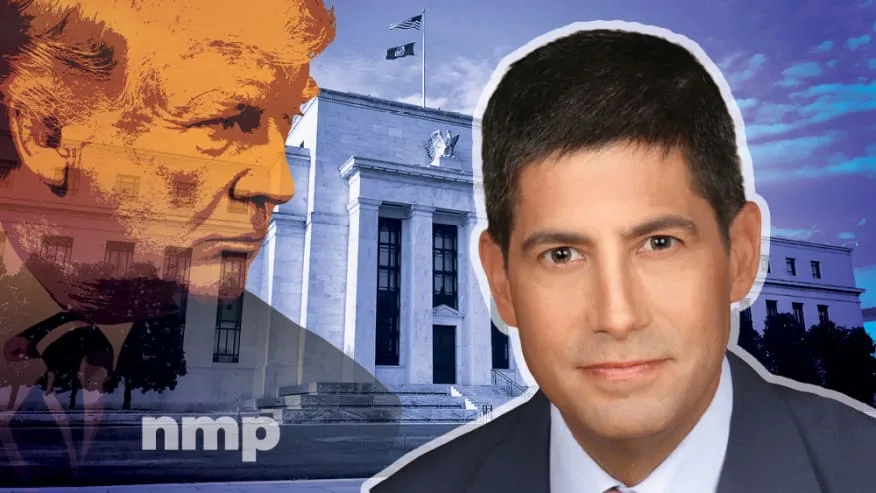
President Donald Trump has nominated former Federal Reserve Governor Kevin Warsh to serve as the next chair of the Federal Reserve, setting the stage for a leadership transition when current chair Jerome Powell completes his term in May. The nomination places a seasoned financial policymaker at the center of U.S. monetary policy during a time when interest rates and inflation remain closely watched by businesses, investors, and lenders.
Warsh brings a blend of public- and private-sector experience that spans financial markets, government policy, and economic research. Before joining the Federal Reserve, he worked in mergers and acquisitions at Morgan Stanley and later served as a senior economic advisor in the White House. At age 35, he became the youngest member of the Federal Reserve’s Board of Governors, serving from 2006 to 2011. During that period, he played an active role in the central bank’s response to the financial crisis, working closely with policymakers as markets faced severe stress and credit conditions tightened.
Since leaving the Federal Reserve, Warsh has remained involved in economic policy and financial markets through academic and advisory roles. His recent commentary has focused on the causes of inflation and the need for the central bank to remain disciplined in its core mission of maintaining price stability and economic confidence. Warsh has also highlighted the potential for advances in artificial intelligence to boost productivity and reduce costs across industries, suggesting that innovation could play a meaningful role in shaping the next phase of economic growth.
The Cardiff Connection
Cardiff CEO Dean Lyulkin believes Warsh’s experience during the financial crisis provides a valuable perspective for guiding monetary policy today. Having served inside the Federal Reserve during one of the most volatile periods in modern financial history, Warsh has direct insight into how quickly stress can spread through credit markets and the broader economy.
Cardiff views this kind of experience as especially important for businesses and investors seeking stability and clear signals from policymakers. According to Lyulkin, leaders who have managed past market disruptions often communicate more predictably and move with a greater understanding of how policy decisions affect investment and economic planning.
By closely tracking developments in monetary policy and central bank leadership, Cardiff helps clients understand how these shifts influence long-term economic opportunities. Through this disciplined approach, Cardiff equips investors and businesses with the insight needed to navigate evolving financial conditions.
Press & media
Writing about this story? Reach the Cardiff team at media@cardiff.co.
Questions
Call 888-234-0166 or browse the FAQs.