
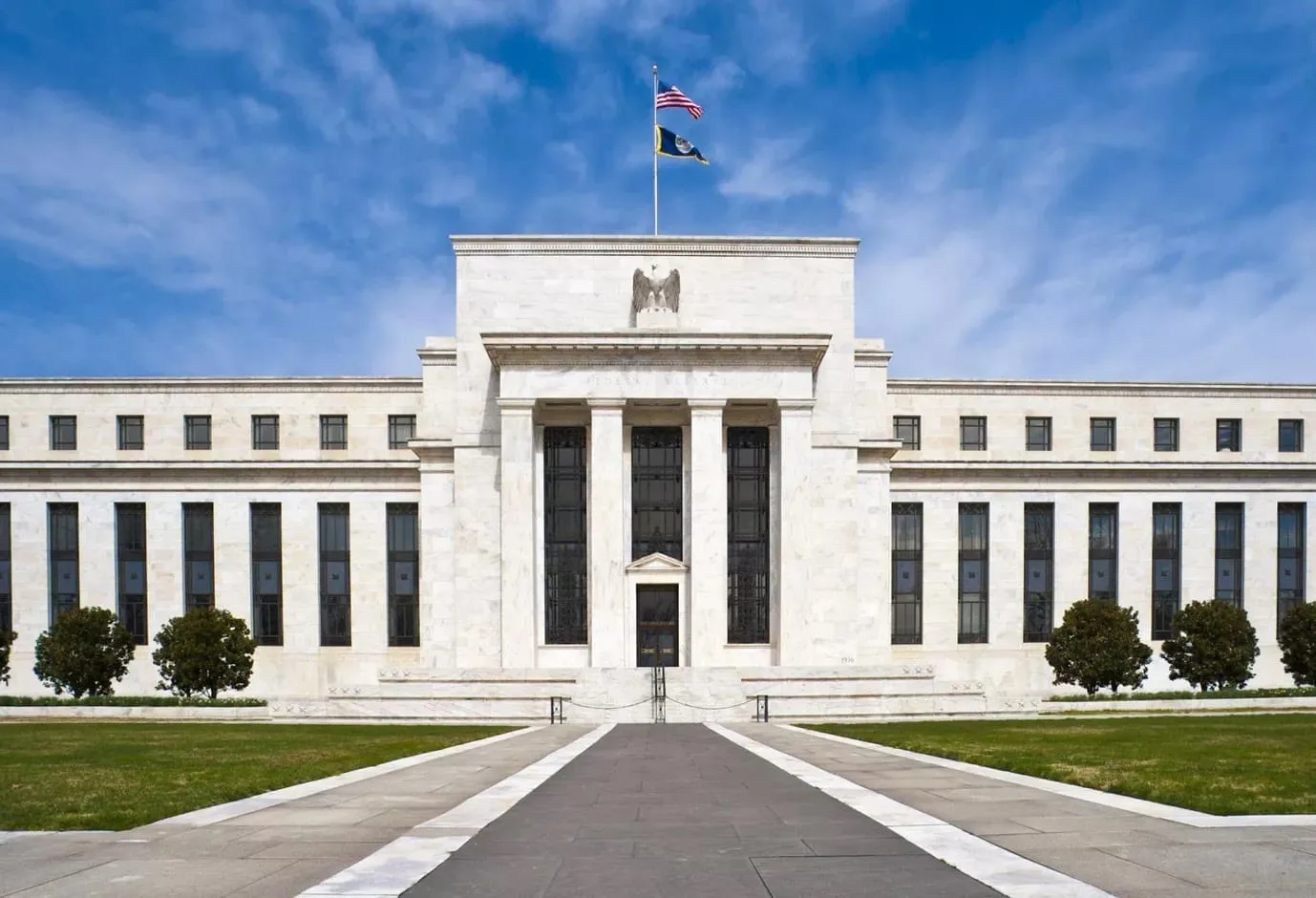
President Donald Trump has nominated Kevin Warsh to serve as the next chairman of the Federal Reserve, placing a former central bank governor with a long record in monetary policy debates at the center of the country’s financial leadership.
Warsh, 55, previously served on the Federal Reserve Board after being appointed in 2006, becoming the youngest governor in the institution’s history. During his tenure, he played a role in shaping monetary policy during the Great Recession, the financial crisis that preceded it, before leaving the board in 2011. If confirmed by the Senate, he would replace Jerome Powell as Federal Reserve Chair when Powell’s term ends in May.
Warsh has remained active in economic policy discussions since leaving the central bank. He currently serves as a senior fellow at Stanford University’s Hoover Institution and works with billionaire investor Stanley Druckenmiller. Throughout his career, Warsh has often taken a more cautious stance toward monetary policy. During the financial crisis, he opposed the Federal Reserve’s large-scale bond purchasing program, known as quantitative easing, which was used to inject liquidity into financial markets. At the same time, he was involved in major crisis-era actions, including helping broker the sale of Bear Stearns to JPMorgan Chase and assisting with the government’s rescue of American International Group.
Warsh has also advocated for structural changes to the financial system. In past comments, he has suggested that lower interest rates combined with a smaller Federal Reserve balance sheet could shift how the central bank influences the economy. He has also argued that the long-standing agreement that established the Federal Reserve’s independence from the federal government should be reconsidered to allow closer coordination between the central bank and the Treasury Department when addressing the nation’s federal deficit.
The nomination comes amid heightened political attention on the Federal Reserve. Just days before the announcement, the central bank voted to keep its benchmark interest rate unchanged, despite pressure from President Trump and other political figures calling for lower rates. At the same time, investigations involving Federal Reserve officials and ongoing criticism from political leaders have raised questions about the institution’s independence.
The Cardiff Connection
Shifts in central bank leadership can signal potential changes in how monetary policy is approached. Warsh’s past positions on interest rates, balance sheet policy, and the role of the Federal Reserve suggest that markets may closely watch how the institution balances inflation risks, economic growth, and financial stability under new leadership.
By analyzing developments in monetary policy and leadership at key financial institutions, Cardiff helps clients understand how major policy decisions can influence markets and investment conditions. Monitoring changes at the Federal Reserve provides important insight into how interest rates and economic policy direction may shape the broader financial environment.
Press & media
Writing about this story? Reach the Cardiff team at media@cardiff.co.
Questions
Call 888-234-0166 or browse the FAQs.