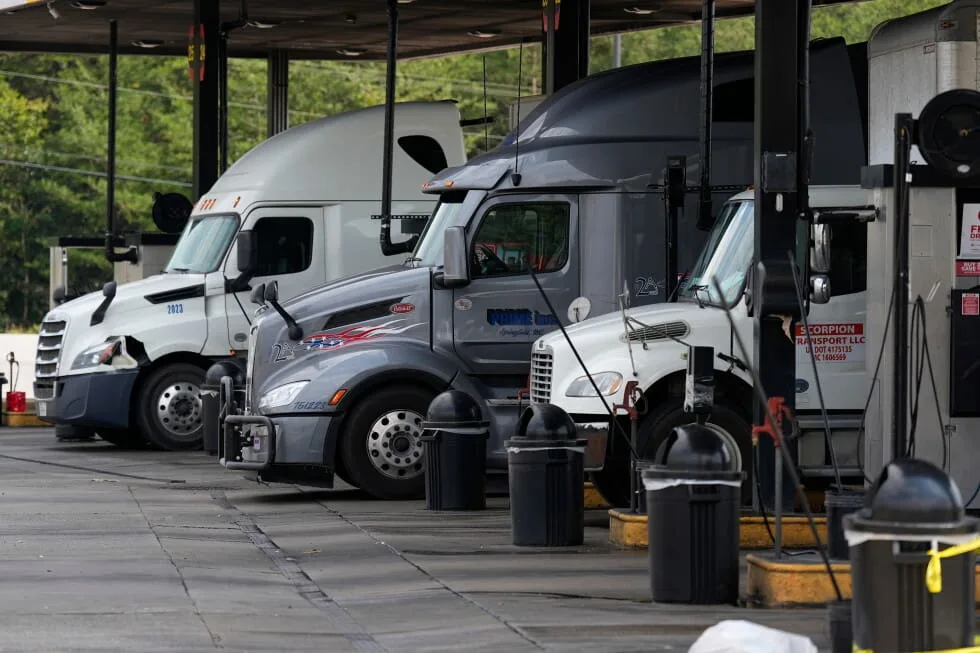

U.S. gasoline prices have risen above $3.50 per gallon amid the ongoing conflict in Iran, which continues to disrupt global energy markets. The increase reflects growing concern about supply risks stemming from instability in this key oil-producing region. As tensions escalate, energy traders and market participants are factoring in the possibility of reduced output or restricted transportation routes, both of which can tighten supply and push prices higher. The recent rise in fuel costs underscores how quickly geopolitical events can affect everyday consumer expenses.
The impact is being felt across the broader economy. Higher gasoline prices directly affect household budgets, leaving consumers with less disposable income for other goods and services. At the same time, businesses are facing increased operating costs. These pressures can ripple through supply chains, contributing to higher prices across a wide range of products.
As fuel costs rise, concerns about inflation and economic slowdown have also intensified. With limited short-term alternatives to offset potential losses, energy prices remain vulnerable to continued volatility. This environment creates ongoing uncertainty for consumers, businesses, and policymakers alike.
The Cardiff Connection
William Stern, founder and CEO of Cardiff, highlighted how quickly global energy disruptions can ripple into everyday economic decisions. When gasoline prices rise, it’s not just a minor pinch at the pump. Businesses that rely on delivery, transportation, or supply chains feel the impact almost immediately. For an auto shop, landscaper, or delivery service, higher fuel costs increase operating expenses, shrink profit margins, and can force difficult choices.
These cost pressures often cascade beyond the directly affected industries. Vendors and suppliers may raise prices to cover higher transportation costs, which can push costs further down the line. Small businesses, especially those with tight cash flow or slim margins, are particularly vulnerable to these rapid changes, as even a short-term spike in fuel costs can disrupt budgets and delay growth plans.
By tracking global energy trends and their domestic implications, Cardiff helps small business clients understand how shifts in gasoline and diesel prices may affect both their day-to-day operations and longer-term financial planning. This insight allows business owners to anticipate challenges, adjust pricing strategies, manage expenses, and plan for periods of volatility.
Press & media
Writing about this story? Reach the Cardiff team at media@cardiff.co.
Questions
Call 888-234-0166 or browse the FAQs.