Market & Economy · Newsroom
Why $4 gas worries experts more than Michigan’s $5 prices in 2022
Rising gas prices are once again drawing national attention, but the current situation differs sharply from the 2022 spike. While prices today remain below peak levels, the underlying causes are more complex and potentially more damaging. Earlier increases were driven first by a collapse in demand during the pandemic and later by supply disruptions tied to Russia’s invasion of Ukraine. In both cases, markets eventually stabilized as supply and demand rebalanced.
Today’s environment is more uncertain. Major geopolitical conflict in the Middle East has disrupted one of the world’s most critical oil transit routes, creating what experts describe as an unprecedented supply shock. Unlike prior events, this disruption affects not only oil flow but also production capacity and global shipping timelines. Even if conditions improve, higher costs and logistical bottlenecks could persist, keeping pressure on prices across industries.
This shift has broader implications for inflation and economic stability. Higher fuel costs are already pushing up transportation, manufacturing, and service expenses. As these increases move through the economy, they raise the price of goods and services, creating sustained inflation rather than a short-term spike. The risk is not just higher gas prices, but also a prolonged period in which businesses and consumers face rising costs without clear relief.
The Cardiff Connection
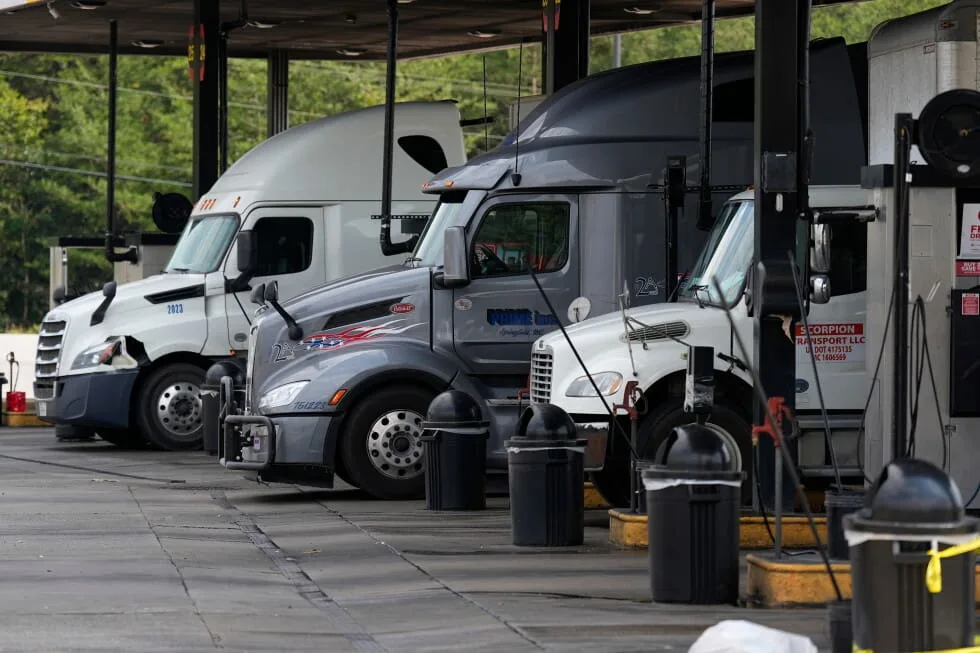
Against this backdrop, Cardiff founder William Stern highlighted a critical gap between headline narratives and real economic impact. He emphasized that fuel prices are not just an issue for daily commuters; they directly affect how businesses operate. When diesel costs rise sharply, companies that rely on transportation or equipment see their expenses surge immediately, forcing difficult choices between raising prices or absorbing losses.
Stern’s framing of the current situation as a “structural inflation bomb” underscores the idea that today’s pressures are embedded more deeply in the system than those of past shocks. Rather than fading quickly, these costs can ripple through supply chains and persist over time. The long-term impacts will not be limited to prices alone, but will also affect working capital needs, margins, and long-term sustainability in a more volatile global economy.
Press & media
Writing about this story? Reach the Cardiff team at media@cardiff.co.
Questions
Call 888-234-0166 or browse the FAQs.